Optimal Timing for Water Treatments
Water treatments are essential for maintaining water quality and ensuring the safety of water supplies. The timing of these treatments depends on various factors including water usage patterns, seasonal changes, and water source conditions. Proper scheduling can optimize treatment effectiveness and extend equipment lifespan.
Water treatments are often most effective when aligned with seasonal changes, such as before summer usage spikes or after heavy rainfall.
Regular testing of water sources helps determine the optimal times for treatment to address specific contaminants.
Scheduling treatments during routine maintenance cycles ensures consistent water quality and system efficiency.
High water usage periods may require more frequent treatments to prevent buildup and contamination.
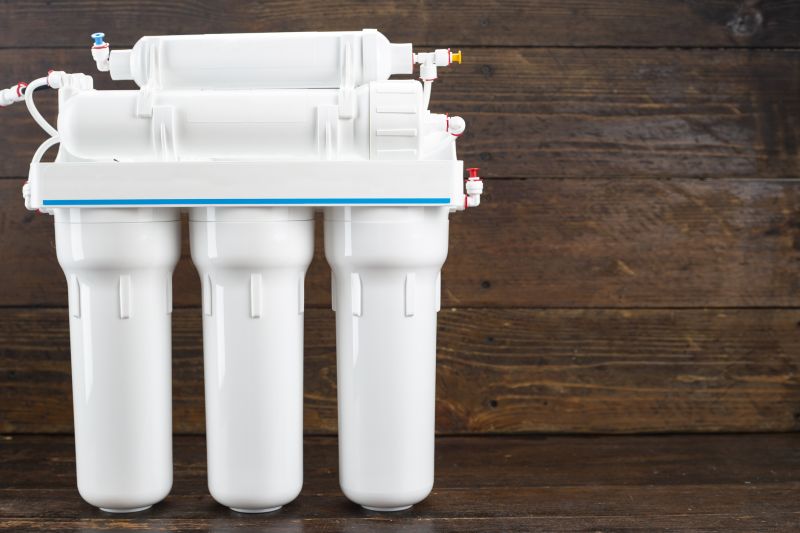
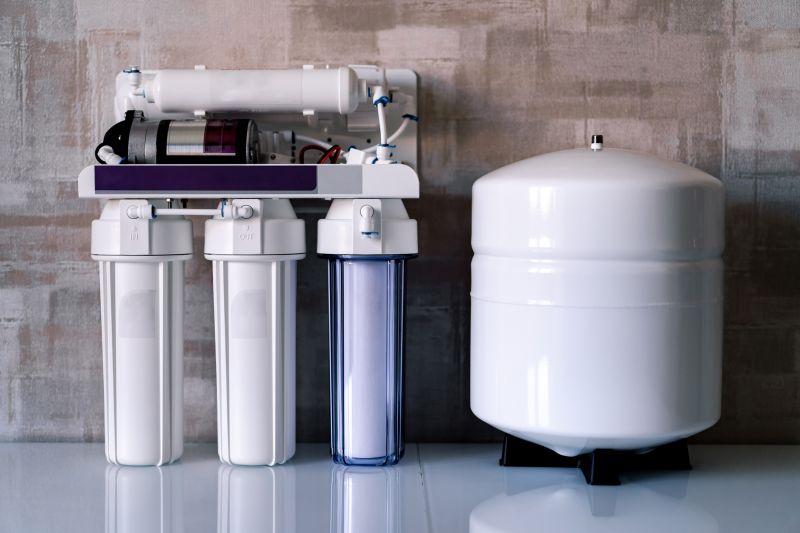
Advanced systems used for filtration and purification.
Application of chemicals like chlorine or chloramine for disinfection.
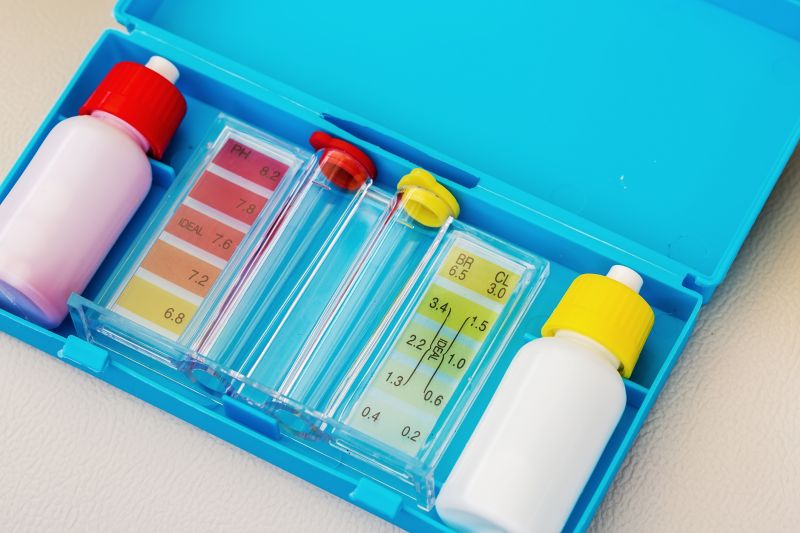
Tools used for monitoring water quality levels.
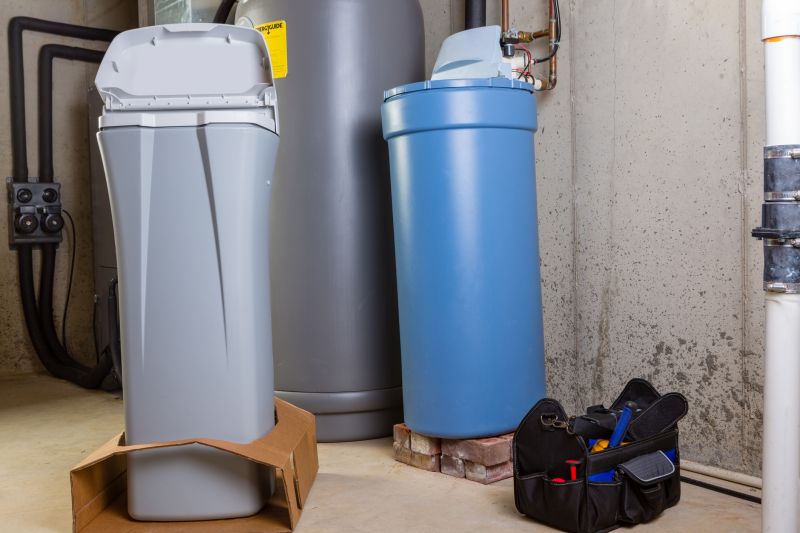
Ways to make Water Treatments work in tight or awkward layouts.
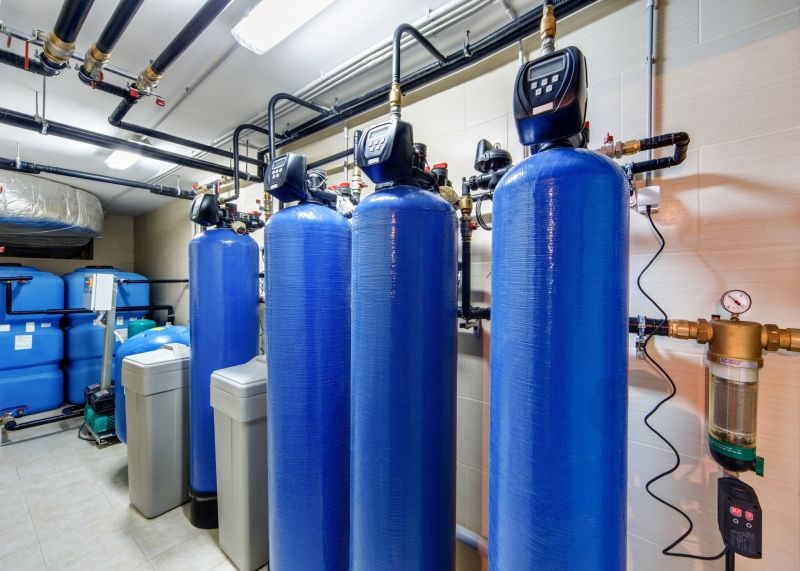
Popular materials for Water Treatments and why they hold up over time.
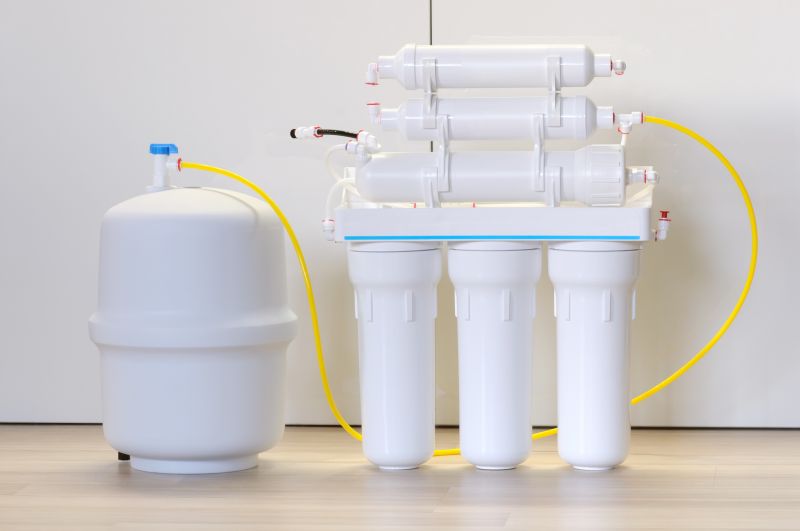
Simple add-ons that improve Water Treatments without blowing the budget.
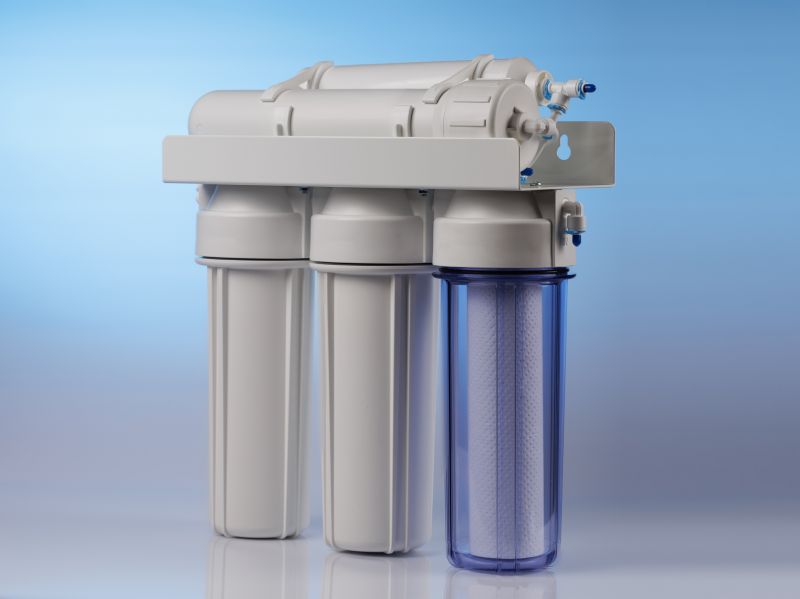
High-end options that actually feel worth it for Water Treatments.

Finishes and colors that play nicely with Water Treatments.
| Timing Factor | Recommended Approach |
|---|---|
| Seasonal Changes | Adjust treatment schedules based on seasonal water quality data. |
| Water Demand | Increase treatment frequency during peak usage periods. |
| Water Source Conditions | Treat water after heavy rainfall or droughts to address contamination. |
| Regulatory Deadlines | Align treatment timing with local compliance requirements. |
| System Maintenance | Perform treatments during planned maintenance to minimize disruptions. |
| Water Testing Results | Schedule treatments following testing indicating contamination levels. |
Water treatments play a crucial role in ensuring water safety and quality. Proper timing enhances treatment effectiveness, reduces operational costs, and helps comply with regulatory standards. Regular monitoring and adjusting schedules based on water source conditions and usage patterns are key to maintaining optimal water quality.
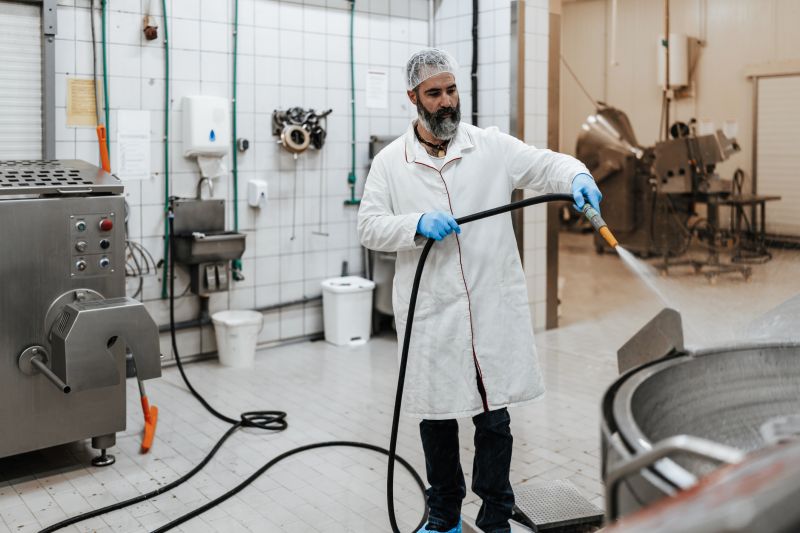
Devices used for chemical or UV water disinfection.
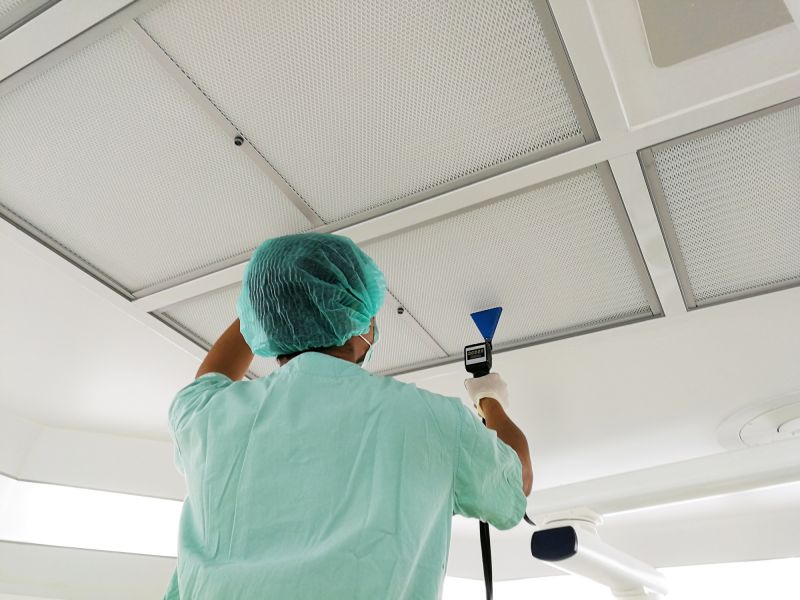
Laboratory and field testing for contaminants.
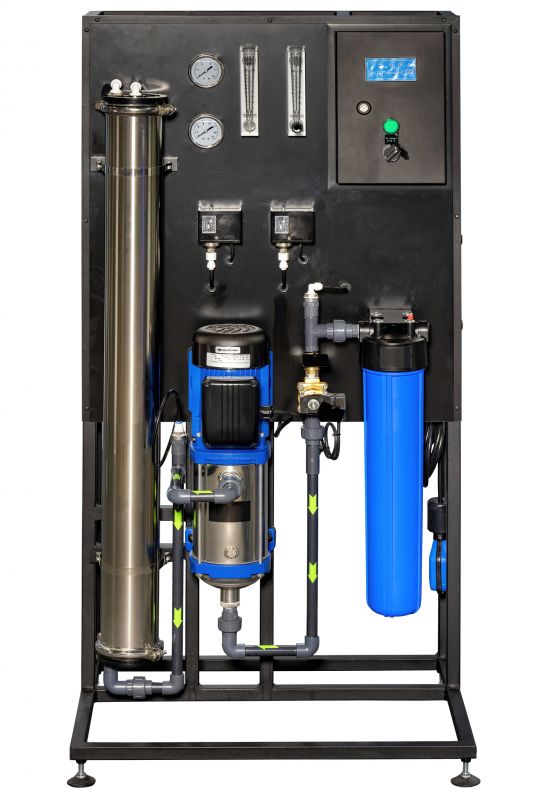
Equipment for removing particulates and impurities.
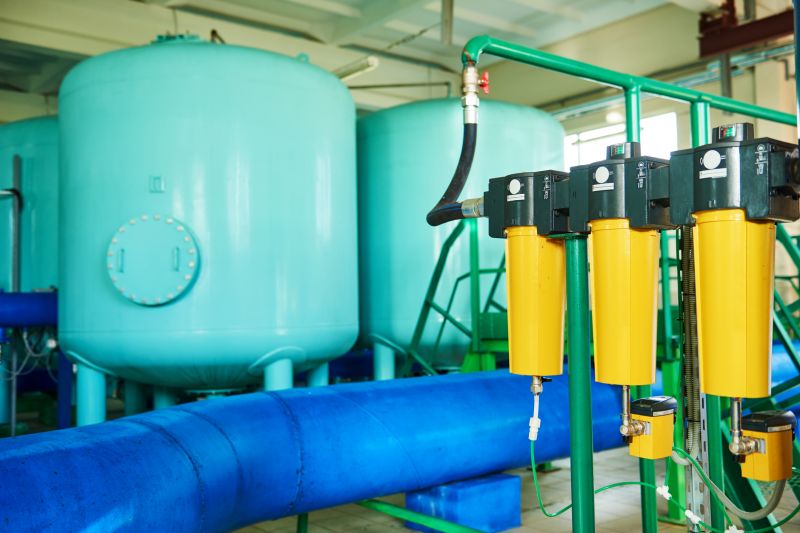
Proper containers for treatment chemicals.

Little measurements that prevent headaches on Water Treatments day.
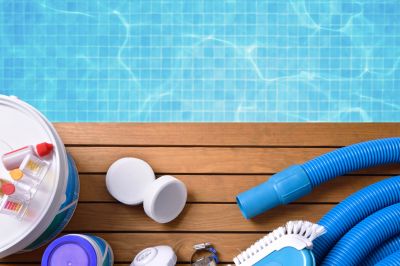
A 60-second routine that keeps Water Treatments looking new.
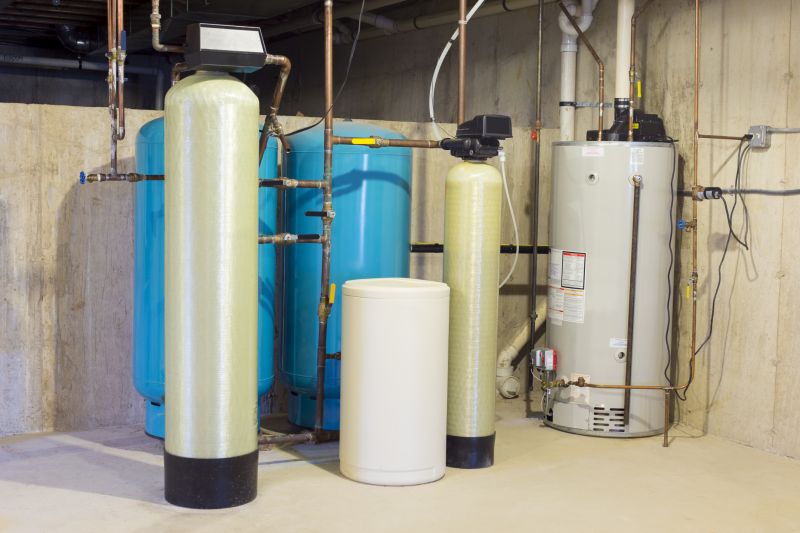
A frequent mistake in Water Treatments and how to dodge it.
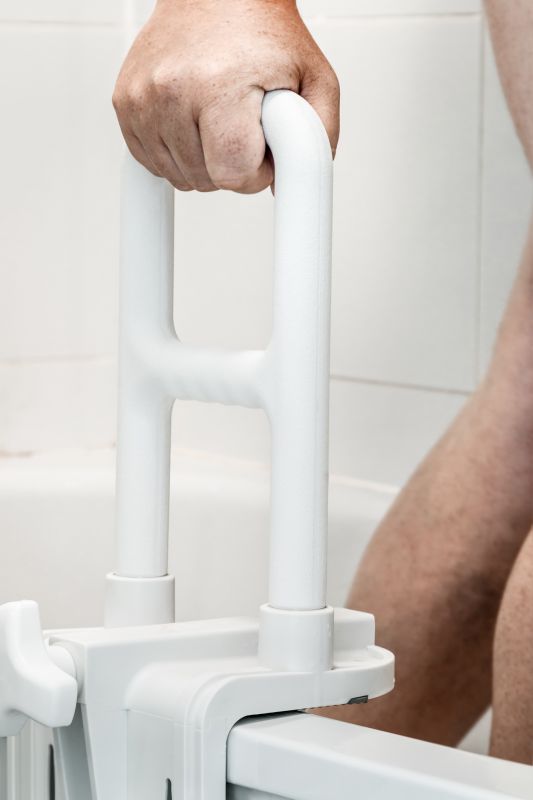
Small tweaks to make Water Treatments safer and easier to use.
Interested in optimizing your water treatment schedule? Filling out the contact form can provide tailored recommendations to meet specific water quality needs and ensure compliance with local standards.